Escape to Paradise: Discovering the Allure of Japan’s Southern Islands (南国 – Nangoku)
Japan, often envisioned as a land of bustling metropolises, serene temples, and snow-capped mountains, 東京カジノプロジェクト 終了 holds a lesser-known, ライブカジノ ルーレット テンポ yet equally captivating, secret: its southern islands. Dubbed “Nangoku” (南国), a term translating to “southern country” or “tropical land,” these islands offer a delightful departure from the mainland’s familiar landscape. Here, vibrant coral reefs teem with life, lush subtropical forests whisper ancient tales, and a unique culture, shaped by millennia of oceanic influence, unfolds. For those seeking an escape that blends adventure, relaxation, and cultural immersion, Japan’s southern islands present an irresistible invitation.
A Tapestry of Islands: More Than Just Okinawa
While Okinawa Prefecture is undoubtedly the most famous representative of Japan’s Nangoku, the archipelago extends far beyond its shores. From the volcanic landscapes of Kagoshima to the remote, untouched beauty of the Yaeyama Islands, each island group possesses its own distinct character and charm. Understanding the diversity of Nangoku is key to unlocking its full potential as a travel destination.
Here’s a glimpse into some of the prominent island regions:
Island Group Key Characteristics Popular Destinations
Okinawa Prefecture Most well-known, a blend of Japanese and Ryukyuan culture, vibrant marine life, historical sites. Okinawa Main Island (Shuri Castle, Churaumi Aquarium), Ishigaki Island, Miyako Island.
Amami Islands Known for their lush forests, diverse birdlife, and unique traditional crafts. Amami Oshima (Guinen Beach, Tomori Forest), Yoron Island (Yoron Beach).
Kagoshima Prefecture (Southern Islands) Volcanic activity, distinct island cultures, stunning natural beauty. Yakushima (Ancient cedar forests), Iriomote Island (Mangroves, waterfalls).
This is by no means an exhaustive list, but it highlights the sheer variety that awaits the intrepid traveler. Each island, a jewel in the East China Sea, offers a unique experience waiting to be discovered.
The Allure of the Subtropical: Nature’s Masterpiece
The defining characteristic of Nangoku is its breathtaking natural beauty. Unlike the temperate climate of mainland Japan, these islands bask in a subtropical atmosphere, fostering an explosion of life and color.
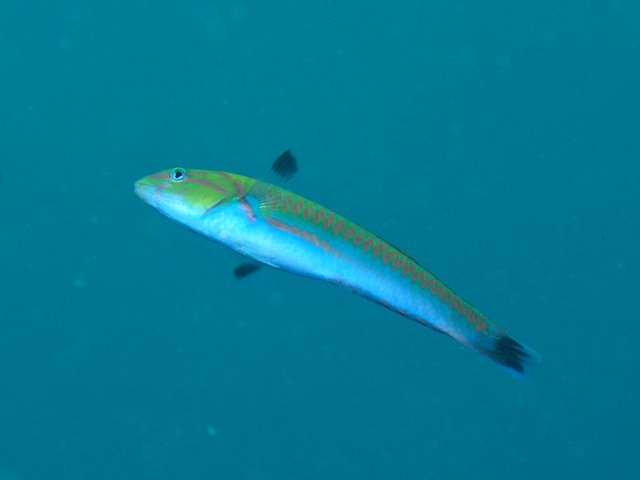
Marine Wonders: The waters surrounding Nangoku are a diver’s and snorkeler’s paradise. Crystal-clear turquoise seas reveal vibrant coral reefs, home to an astonishing array of marine creatures. From schools of iridescent fish to majestic sea turtles gracefully gliding through the water, the underwater world is a spectacle of unparalleled biodiversity.
“The coral reefs here are simply stunning,” remarked Dr. Kenji Tanaka, a marine biologist who has spent years studying the local ecosystems. “The health of these reefs is crucial, and the efforts being made to preserve them are commendable. Witnessing this underwater metropolis is an experience that stays with you long after you’ve returned to shore.”
Popular diving and snorkeling spots include the Kerama Islands off Okinawa, the star-shaped beaches of Miyako Island, and the abundant marine life around Ishigaki Island.
Lush Greenery and Ancient Forests: Beyond the coastlines, Nangoku reveals a verdant heart. Okinawa’s subtropical forests are alive with the calls of exotic birds and the rustle of unseen creatures. However, for a truly awe-inspiring encounter with nature, the island of Yakushima, a UNESCO World Heritage site, stands unparalleled. This mystical island is home to ancient cedar trees, some of which are thousands of years old. Walking among these giants, shrouded in mist and moss, feels like stepping back in time.
“There’s a profound sense of peace and reverence that washes over you in Yakushima,” shared a visitor to the island. “The sheer age of these trees, the quiet solitude – it’s an incredibly spiritual experience.”
Unique Ecosystems: Iriomote Island, part of Okinawa Prefecture, is renowned for its extensive mangrove forests. These vital ecosystems support a unique array of flora and fauna, including the elusive Iriomote wildcat. Kayaking through the winding mangrove channels offers a glimpse into a world that feels both ancient and alive.
A Culture Shaped by the Sea: The Ryukyuan Heritage
The inhabitants of Nangoku, particularly in Okinawa, possess a rich and distinct cultural heritage, deeply intertwined with their island environment. The Ryukyuan Kingdom, カジノ 派遣 which once flourished independently, left an indelible mark on the region’s traditions, language, music, and cuisine.
Music and Dance: Okinawan music, characterized by the haunting melodies of the sanshin (a three-stringed instrument), is an integral part of island life. Eisa dancing, a vibrant and energetic performance often seen during festivals, tells stories of local legends and daily life.
Cuisine: Okinawan cuisine is celebrated for its health benefits and unique flavors. Dishes like Goya Champuru (stir-fried bitter melon), Okinawa Soba (noodle soup), and fresh seafood are staples. The emphasis on fresh, locally sourced ingredients and traditional cooking methods contributes to the longevity often associated with the Okinawan people.
Historical Sites: The legacy of the Ryukyuan Kingdom is visible in its impressive historical sites. Shuri Castle, though tragically damaged by fire in 2019, is undergoing reconstruction and remains a symbol of Okinawan identity. The remains of Gusuku fortresses, scattered across the islands, offer glimpses into the region’s past.
Experiencing Nangoku: Activities for Every Traveler
Whether you’re an adrenaline junkie, a relaxation seeker, or a cultural enthusiast, Nangoku offers a plethora of activities to suit every taste.
For the Adventurer:
Diving and チェジュ島 カジノ 見学のみ Snorkeling: Explore the vibrant coral reefs and diverse marine life.
Kayaking and Canoeing: Navigate the mangrove forests of Iriomote or the scenic coastlines.
Hiking: Trek through the ancient forests of Yakushima or discover hidden waterfalls.
Island Hopping: Experience the distinct charm of different island groups.
For the Relaxation Seeker:
Beach Lounging: Unwind on pristine white-sand beaches and soak up the sun.
Onsen (Hot Springs): Relax in natural hot springs, many with stunning ocean views.
Spa Treatments: Indulge in traditional Okinawan massage therapies.
Scenic Drives: Enjoy the breathtaking coastal roads and lush inland landscapes.
For the Cultural Enthusiast:
Visit Historical Sites: Explore castles, temples, and traditional villages.
Experience Local Festivals: Immerse yourself in vibrant celebrations and traditional performances.
Learn Traditional Crafts: Participate in workshops for pottery, textile weaving, or sanshin playing.
Savor Local Cuisine: Embark on a culinary journey through Okinawan and island delicacies.
Planning Your Nangoku Adventure
Embarking on a journey to Japan’s southern islands requires a bit of planning to make the most of your trip.
Best Time to Visit: The shoulder seasons, spring (March-May) and autumn (September-November), generally offer pleasant weather with fewer crowds and lower humidity. Summer (June-August) is hot and humid, with a higher chance of typhoons, カジノなんてやめておけ but it’s also the peak season for beach activities and festivals. Winter (December-February) is mild but cooler, and some activities may be limited.
Getting There: The main gateway to Nangoku is Naha Airport (OKA) on Okinawa Main Island. From there, you can take domestic flights to various other islands within Okinawa Prefecture and to other island groups like Amami and Kagoshima. Ferries are also an option for inter-island travel, offering a more scenic, albeit slower, journey.
Accommodation: Options range from luxury resorts and boutique hotels to charming guesthouses and traditional minshuku (family-run inns). Booking in advance, especially during peak season, is highly recommended.
What to Pack: sfc ドラクエ6 ベラ ジョン カジノ 攻略 Light, breathable clothing, swimwear, sunscreen, insect repellent, a hat, comfortable walking shoes, and a light rain jacket are essential. Don’t forget your camera to capture the stunning scenery!
Frequently Asked Questions about Nangoku
Q1: Is it safe to travel to Japan’s southern islands? A1: Yes, Japan is known for its safety, クイーン カジノ and the southern islands are generally very safe for tourists. Standard precautions should always be taken, but violent crime is rare.
Q2: Do I need to know Japanese to travel here? A2: While knowing some basic Japanese phrases is always helpful, many tourist areas, particularly in Okinawa, have English signage and staff who speak some English. Having a translation app on your phone can also be very useful.
Q3: What currency is used in Nangoku? If you have any sort of inquiries concerning where and how you can utilize クイーン カジノ, you could contact us at the page. A3: The currency used is the Japanese Yen (JPY). Credit cards are accepted in most hotels, restaurants, and larger shops, but it’s advisable to carry some cash for smaller establishments and local markets.
Q4: Are there any specific customs or etiquette I should be aware of? A4: General Japanese etiquette applies, such as removing your shoes before entering homes and some traditional establishments, and being mindful of noise levels. In Okinawa, there’s a strong sense of community, and a friendly “Konnichiwa” (hello) is always appreciated.
Q5: What kind of visa do I need to enter Japan? A5: Visa requirements vary depending on your nationality. Most visitors from Western countries can enter Japan for tourism for up to 90 days without a visa. It is essential to check the latest visa regulations with your local Japanese embassy or consulate before your trip.
Embracing the Nangoku Spirit
Japan’s southern islands offer an experience that transcends the ordinary. They are a sanctuary for the soul, a playground for the adventurous, and a window into a rich and enduring culture. Whether you’re drawn by the allure of turquoise waters, the whisper of ancient forests, or the warmth of island hospitality, カジノir 海外 Nangoku awaits to enchant you. So, pack your bags, embrace the spirit of exploration, and discover the tropical paradise that lies within Japan.
コメントを残す
コメントを投稿するにはログインしてください。